
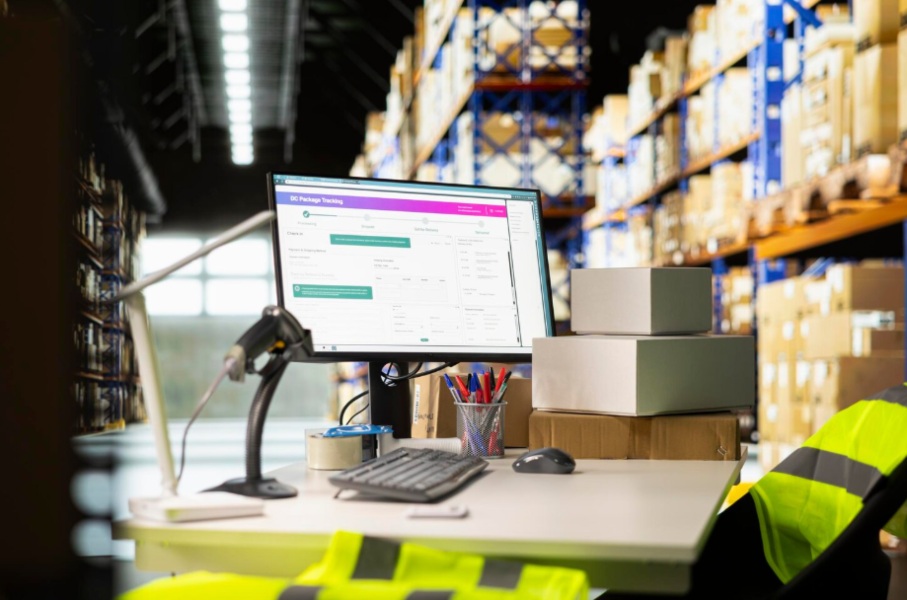
Managing retail stock demands a careful balance between supply and demand. If you hold too little product, customers face frustrating stockouts and head straight to competitors. Keeping inventory moving smoothly requires a sharp eye on physical organization and digital tracking data.
Master the Core Strategies of Stock Control
Every retail business needs a structured method to track goods moving through the pipeline. Some business owners rely on the First-In, First-Out method to keep products fresh and relevant. This practice prevents older merchandise from decaying or becoming obsolete on warehouse shelves.
Another approach focuses on minimizing your total upfront holding costs. One popular option relies on suppliers shipping items directly to the buyer on demand. A recent guide from Deskera noted that dropshipping serves as a highly convenient solution for modern e-commerce fulfillment.
Leverage Flexible Commercial Spaces to Support Scale
Renting a massive commercial warehouse often requires signing restrictive multi-year contracts. Small businesses need more adaptable options that adjust to seasonal inventory spikes. Using commercial storage units offers an agile alternative without heavy upfront real estate investments.
Finding a secure home for excess stock keeps your main storefront or home office completely clear. Business owners looking for tailored solutions can explore options for Ecommerce & Retail Inventory Storage to protect their seasonal investments. This strategy allows you to adjust your total square footage as supply chains fluctuate throughout the fiscal year.
Select Features Built for Product Protection
Sensitive goods require defensive measures against shifting regional weather patterns. Look for facilities that feature premium climate control systems to stop inventory degradation.
- Shield delicate electronics and apparel from extreme humidity or temperature shifts.
- Verify that advanced security cameras and electronic gates protect your assets.
Address the Hidden Expenses of Dead Stock
Over-purchasing inventory might seem like a smart way to land bulk discounts from vendors. However, filling a space with excess items can quickly drain your operational cash flow. Brand capital gets trapped in physical boxes rather than funding marketing campaigns or payroll.
When a warehouse holds more items than it can realistically sell, overhead prices spike. An industry article from DCL Logistics highlighted that carrying too much stock on hand typically results in expensive storage fees. These unnecessary expenses eat into profit margins and limit your financial agility.
Enhance Financial Security by Preventing Capital Losses
Misplaced inventory is more than a minor daily annoyance for your warehouse crew. When products vanish into poorly organized corners, your business loses actual sales opportunities. Maintaining an IT equipment inventory template can help businesses keep accurate records of valuable assets and reduce the risk of misplaced inventory. Workers spend hours hunting for boxes while online orders sit unfulfilled in the queue.
Losing track of your physical property directly damages customer satisfaction and brand loyalty. Research by NetSuite explained that overlooked merchandise translates to missed sales and lost revenue for retailers. Securing a clean storage environment prevents these costly blind spots.
Implement Regular Auditing to Verify Data Integrity
Digital tracking software is only useful if it matches the physical reality on your shelves. Regular checks catch counting errors before they snowball into major fulfillment disasters. Dedicated auditing ensures your digital dashboard matches what sits in the actual boxes.
You can choose to review your entire catalog or focus on specific problem areas. A publication by ShipBob mentioned that business owners can perform spot checks themselves or hire third-party professionals for comprehensive audits. Consistent oversight keeps tracking software accurate.
Building an efficient storage system takes time, dedication, and the right tools. Investing energy into smart tracking and flexible commercial space keeps your retail operation agile. Guarding your merchandise against damage and disorganization creates a reliable foundation for long-term business growth.