
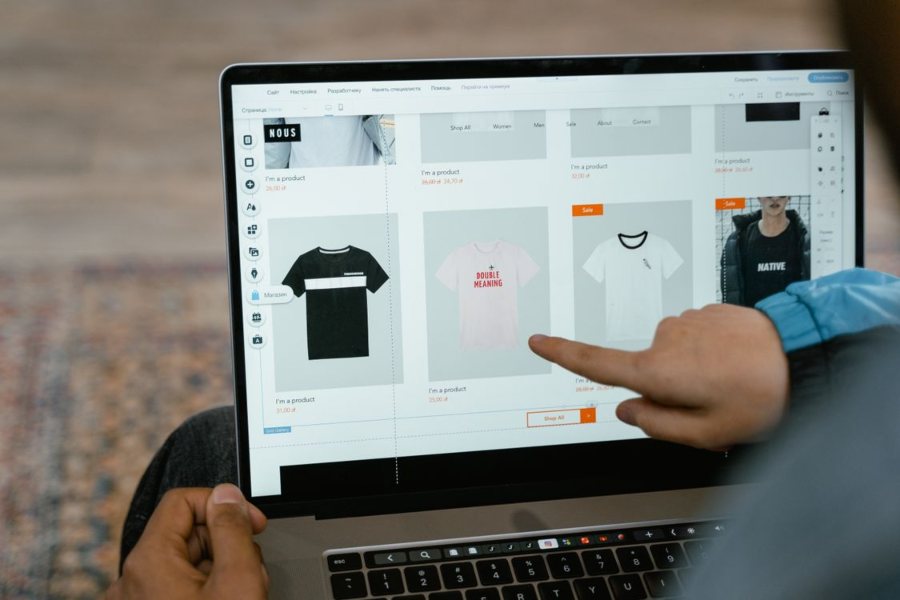
A business website functions as a virtual storefront open twenty-four hours a day. Visitors form immediate opinions within seconds of arriving on a page.
If the layout feels confusing or slow, those potential clients depart quickly. Crafting an online space that retains interest requires strategic planning.
Certain layout adjustments can turn casual browsers into loyal shoppers. Focusing on specific design components makes a significant difference in visitor interactions.
Every click should guide the audience closer to their goals without causing frustration or confusion. A smooth layout keeps people engaged.
Optimizing Visual Flow And Structural Trust
First impressions rely heavily on how information appears on the screen. A clear arrangement helps readers look at critical items first. When a layout feels messy, people lose confidence in the brand. Keeping key details prominent builds immediate credibility.
An academic report from Stanford University states that visual hierarchy and prominent contact details serve as the main indicators of structural trust for 80 percent of digital consumers.
Placing phone numbers or addresses where they can be easily spotted satisfies this expectation. When users see clear markers, they feel safe remaining on the platform. Clear fonts and balanced spacing assist this process.
A clean layout removes distractions and keeps the eyes focused on key messages. Buyers appreciate knowing who they are dealing with right away. Proper structure establishes a professional tone from the very start.
Partnering With Experienced Digital Strategy Agencies
Building a high-performing platform requires deep industry knowledge and technical skill. Trusted marketing professionals from https://leadtoconversion.com/ say that combining clean design with data-driven strategy yields the best long-term results. Businesses often achieve better outcomes when they collaborate with specialists who understand user habits.
External teams bring fresh perspectives to digital challenges. They look at existing structures without bias to spot hidden issues.
Adjusting small details based on professional advice can unlock major growth. Working with seasoned veterans saves time and prevents common mistakes.
Proper guidance turns a basic site into a powerful asset. Ongoing support makes sure the platform adapts to changing commercial trends. Regular updates keep the design ahead of market expectations. Strategic planning prevents costly re-designs later.
Accelerating Page Load Speeds
Nobody enjoys waiting for a slow page to display its text and images. Modern internet users expect rapid responses when they click a link. A delay of just a few seconds prompts people to press the back button.
A federal user experience study revealed that web pages loading under 2 seconds retain double the audience engagement compared to slower alternatives. Keeping load times brief keeps attention focused on the actual message.
Large images can be compressed to speed up the system. Removing unneeded code helps maintain a swift pace.
Every second saved prevents potential buyers from navigating away to competitors. Fast systems create a pleasant environment that encourages browsing. Regular technical checkups keep the platform running smoothly. Quick responses build user satisfaction instantly.
Implementing Clear Website Navigation Paths
Finding information ought to be a simple task for every visitor. When menus become complex, users feel lost and abandon their search. Straightforward menus allow individuals to locate products or answers without friction.
A publication from the Small Business Administration points out that clear navigation paths can increase user retention by up to 33 percent on modern small business platforms. Organizing links logically means users spend less energy thinking about where to click next. Labels must be descriptive and brief.
Grouping related topics simplifies the entire journey. A search bar serves as a helpful backup tool for specific inquiries. Clean pathways make the browsing experience feel seamless. Clear directions guide visitors toward making a purchase decision.
Expanding Reach With Accessible Web Design
An open platform accommodates all types of users regardless of their abilities. Designing for inclusivity expands the pool of potential clients significantly. Features like text alternatives for images help everyone understand the content. High color contrast makes text readable for individuals with visual impairments.
Guidelines from the World Wide Web Consortium indicate that implementing accessible design features improves site usability as a whole, expanding the effective conversion audience by over 15 percent.
Making these updates helps people navigate using keyboards or screen readers. Clear structural headers assist assistive technologies in parsing the text.
Inclusivity benefits the entire user base by creating a more flexible layout. Clean structures allow clear interpretation across multiple device types. Everyone appreciates a site that values ease of access. Open formats invite broader demographics to participate.
Increasing Session Duration With Interactive Tools
Static text can sometimes fail to hold a reader’s attention for long periods. Interactive elements invite individuals to participate actively rather than reading passively. When people participate, they become more connected to the brand message.
An industry bulletin from the Association for Computing Machinery highlights that interactive components like dynamic calculators or assessment tools increase average session duration by nearly 3 minutes.
These additions give immediate value to the visitor. People appreciate custom answers tailored to their personal situations.
Adding practical features makes the platform feel resourceful. Useful items that keep modern audiences engaged include:
- Customizable color modes for comfortable night reading.
- Filtering systems that sort blog posts by specific topics.
- Progress indicators that show reading completion percentages.
These elements turn a simple visit into an engaging session. Providing immediate feedback builds strong connections with the audience. Friendly tools encourage repeated visits from curious users.
Simplifying The Conversion Checkout Process
A complicated final step can ruin an otherwise excellent user experience. When a signup or checkout form asks for too much information, users walk away. Minimizing fields makes the final transaction quick and painless.
Research published by Harvard Extension School notes that a streamlined checkout or signup process reduces form abandonment rates by roughly 24 percent across multiple industries. Reducing friction at the final stage protects potential sales. Security plays a major role during this final phase, too.
A blog post from the National Institute of Standards and Technology states that visible security indicators lead to a measurable increase in registration completions. Buyers need reassurance that their personal information remains safe. Displaying trust markers satisfies this need.
Key elements that assist this final transition include:
Simple layout adjustments keep users moving forward.
- Multi-step forms that save progress automatically.
- Auto-fill capabilities for address fields.
- Clear error messaging for incorrect data entry.
Eliminating unnecessary steps helps secure steady progress. Clear confirmation screens let users know their action succeeded. Simple text directions keep consumers on the right path.
Constructing an effective digital presence involves continuous refinement. Small updates to speed, navigation, and visual hierarchy generate major improvements as weeks pass.
Prioritizing user convenience makes a platform stand out from competitors. Clear adjustments encourage people to stay longer and take action with confidence.
Monitoring performance helps maintain a seamless experience for every guest. Every design choice matters when building meaningful online relationships. Strong foundations create lasting success.