
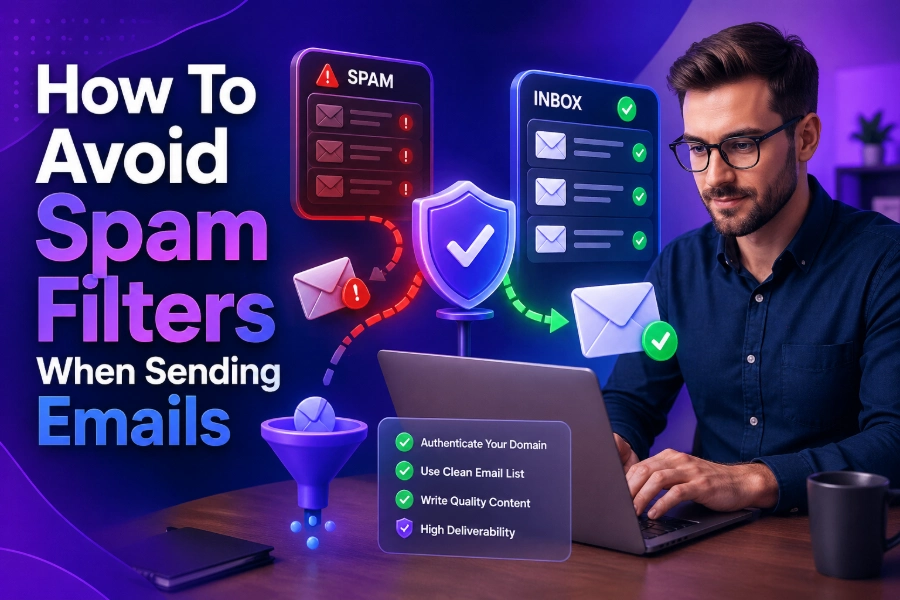
Sending emails that land in the inbox rather than the spam folder is critical to ensuring your communications reach the intended audience. To help you avoid spam filters when sending emails, there are a variety of strategies that can improve your email deliverability.
Whether you’re marketing a product, promoting a service, or simply staying in touch, following best practices for avoiding spam filters will increase your chances of success. Keep reading to learn more!
Understand the Basics of Spam Filters
Spam filters are sophisticated tools used by email providers like Gmail, Yahoo, and Outlook to protect users from unsolicited or harmful emails. These filters assess incoming messages based on several factors, including the sender’s reputation, email content, and structure. Understanding how these filters work is crucial for crafting emails that don’t get flagged as spam.
To improve email deliverability, ensure your emails are properly authenticated. Using a service such as premium WordPress themes and PSD & HTML templates to manage your email campaigns can help you integrate email authentication methods, such as SPF (Sender Policy Framework) and DKIM (DomainKeys Identified Mail). These methods allow the email provider to verify that the sender’s domain is legitimate, which helps boost trustworthiness and reduces the likelihood that your emails will be marked as spam.
Craft Clear and Relevant Subject Lines
The subject line of your email is one of the first elements spam filters evaluate. Using vague or overly promotional subject lines can raise red flags and lead to your email being flagged. Instead, aim for clarity and relevance to ensure your subject lines pass the filter’s scrutiny.
For instance, instead of using buzzwords like “Free” or “Earn Money Now,” craft subject lines that clearly describe the email’s content. A good subject line should align with the body of the email and avoid triggering spam filters by using excessive punctuation or all caps. This ensures your email resonates with the reader, making it more likely to bypass the spam folder and be delivered directly to the inbox.
Keep Your Email List Clean
An important way to prevent your emails from landing in the spam folder is to maintain a clean, well-managed email list. Avoid sending emails to outdated or invalid addresses, as this will negatively affect your sender reputation. Regularly cleaning your email list is essential for maintaining good deliverability.
Moreover, it’s critical to ask for explicit consent from your subscribers. By implementing double opt-ins, you can ensure that only individuals genuinely interested in receiving your emails are added to your list. This step reduces the likelihood that your emails will be marked as spam and helps foster a more engaged subscriber base.
Focus on Email Content Quality
The content of your email plays a major role in whether or not it gets flagged as spam. Spam filters are designed to detect common characteristics of unsolicited emails, such as overuse of promotional language or irrelevant content. To avoid being caught by these filters, it’s important to write high-quality, engaging content that delivers value to the recipient.
Additionally, be mindful of the ratio between text and images. Emails that are heavily reliant on images, with little or no text, are often flagged as spam. Aim for a good balance of text and images, and avoid embedding large files that could trigger spam filters. Your content should be clear, concise, and avoid excessive promotional language.
Monitor Your Sender Reputation
Your sender reputation plays a significant role in whether your emails reach the inbox or are sent straight to the spam folder. This reputation is built over time and is influenced by factors such as your email bounce rate, complaint rate, and content quality.
To maintain a good sender reputation, monitor your email metrics regularly and make adjustments as needed. Use tools to track campaign performance and ensure your emails are well-received by your audience. This proactive approach helps ensure you stay off blacklists and increases the likelihood that future email campaigns will be delivered successfully.
Personalize Your Emails
Personalization goes beyond just inserting the recipient’s name in the subject line. Modern spam filters can recognize generic emails that don’t appear personalized and are more likely to flag them as spam. To avoid this, ensure your emails are tailored to your audience’s specific interests and preferences.
For example, if you’re sending a promotional email, try segmenting your audience by behavior or previous purchases. This allows you to send more relevant emails, increasing the likelihood they will be opened and reducing the risk of being marked as spam.
Avoid Spam Trigger Words
Certain words and phrases are known to trigger spam filters, such as “free,” “limited time offer,” and “act now.” These words are often associated with spammy, low-quality emails. Avoid overusing these words, especially in your subject lines, body content, and CTA (Call-to-Action) buttons.
Instead, focus on using natural, conversational language that aligns with the content you’re delivering. By avoiding spam trigger words and crafting your emails with the recipient in mind, you’ll improve your chances of avoiding the spam folder and reaching your target audience.
Use a Reliable Email Service Provider (ESP)
Choosing a reliable ESP is one of the best ways to avoid spam filters when sending emails. Reputable providers often include built-in tools to help you follow best practices, such as email authentication, A/B testing, and detailed analytics. They also maintain strong relationships with email providers, improving your chances of email deliverability.
Selecting a provider with a strong track record of email deliverability ensures your emails are sent using best practices, helping you avoid common pitfalls that could land them in spam.
Test Your Emails Before Sending
Before sending your email to your entire list, it’s crucial to test how it performs across different email clients and devices. There are various tools available that allow you to preview your email to ensure it’s formatted correctly and that all links and images are working properly.
Testing your emails also lets you evaluate their spam scores, which can help you identify potential issues that could cause them to be flagged. Make use of these tools to test every campaign and improve your email’s chances of being delivered to the inbox.
Implement Unsubscribe Options
Including an easy-to-find unsubscribe link is not only a best practice, but it’s also legally required in many countries. Spam filters look for emails that lack a clear unsubscribe option, as this is a common characteristic of spam. By providing an easy way for recipients to opt out, you signal to email providers that you are respecting their preferences.
Offering an unsubscribe link also helps you maintain a high-quality email list by ensuring that only people who want to receive your emails continue to do so.
Monitor Spam Complaints
Tracking the number of spam complaints you receive is an important step in maintaining your email deliverability. If too many recipients mark your email as spam, it could negatively impact your sender reputation and lead to your emails being blocked by email providers.
To avoid this, always make sure your emails are relevant, well-targeted, and valuable to your audience. If you notice a rise in complaints, take a closer look at your email content and list management practices to identify and resolve any potential issues.
Conclusion
In conclusion, knowing how to avoid spam filters when sending emails is crucial for any email marketing campaign. By focusing on factors like email list quality, sender reputation, personalized content, and avoiding spam trigger words, you can significantly improve your email deliverability.
Always use a reputable ESP, test your emails before sending, and offer an easy unsubscribe option. By implementing these strategies, your emails are more likely to reach your audience’s inbox, helping you achieve your goals.
FAQs
How can I avoid spam filters when sending emails?
To avoid spam filters, use email authentication methods like SPF and DKIM, clean your email list regularly, and ensure your subject lines are clear, relevant, and free from trigger words like “free” or “limited time.”
What is the importance of email list hygiene in avoiding spam filters?
Maintaining a clean email list helps improve email deliverability. Regularly remove invalid or outdated email addresses, and use double opt-ins to ensure subscribers genuinely want to receive your emails, reducing the chances of being flagged as spam.
How does personalizing emails help avoid spam filters?
Personalizing emails increases their relevance to recipients, making them less likely to be flagged as spam. By using segmentation and targeting based on user behavior or preferences, you can create more engaging content and avoid spam triggers.
What are spam trigger words, and why should I avoid them?
Spam trigger words like “free,” “urgent,” and “act now” are often flagged by spam filters. These words are commonly associated with unsolicited emails. Avoiding them helps ensure your email appears legitimate and is delivered to the inbox.
How can I test my emails before sending them?
Testing your emails with tools that evaluate spam scores and display previews across different email clients helps identify potential issues. Ensure proper formatting, functional links, and a healthy text-to-image ratio to avoid spam filters.
Why is it important to have a clear unsubscribe option?
Including a visible unsubscribe link in your emails not only complies with legal requirements but also shows email providers you respect user preferences. Without this, emails are more likely to be flagged as spam, which can impact deliverability.
How does using a reliable email service provider (ESP) help?
A reputable ESP ensures compliance with best practices, such as email authentication, and provides tools for monitoring sender reputation. They help avoid common mistakes, improve email deliverability, and reduce the risk of your emails being marked as spam.
What role does the subject line play in avoiding spam filters?
Your subject line is one of the first things spam filters evaluate. It should be clear, concise, and relevant to the email’s content. Avoid using all caps or excessive punctuation, as these can trigger spam filters.
How often should I clean my email list?
You should clean your email list regularly, ideally every 6 to 12 months. Remove inactive subscribers, bounced emails, and invalid addresses to maintain a healthy list and reduce the likelihood of being flagged as spam.
Can spam complaints affect email deliverability?
Yes, high spam complaint rates can negatively impact your sender reputation. If too many recipients mark your emails as spam, email providers may block future emails. Monitor complaint rates and adjust your strategy to avoid issues.