
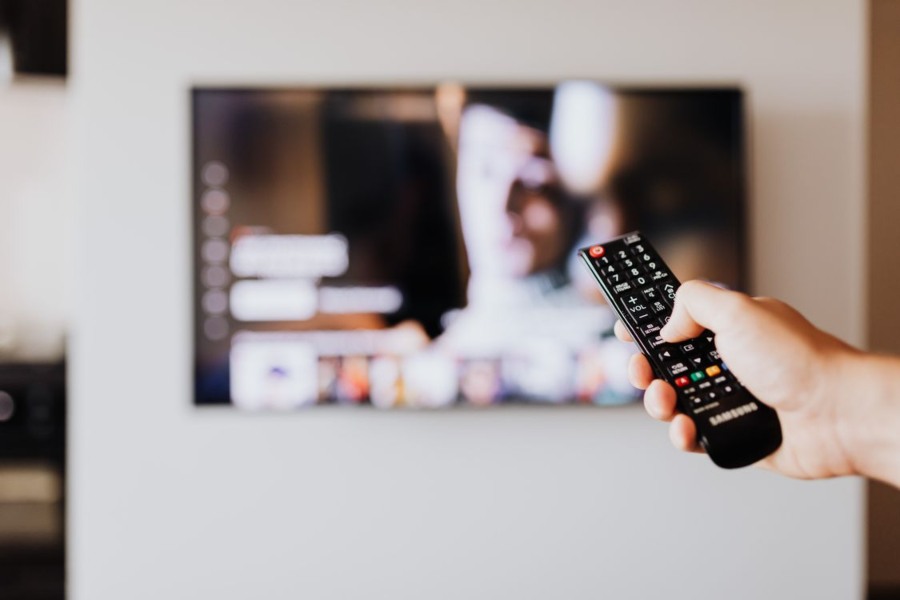
High-definition entertainment no longer requires huge metal dishes bolted to exterior walls. Fast internet connectivity lets households stream top-tier television programming straight to standard living room screens.
Viewers can access thousands of high-definition channels using basic home network hardware. Modern television streaming simplifies home entertainment and cuts out unnecessary equipment installation.
The Death of the Traditional Satellite Dish
Satellite hardware used to be the primary method for accessing ultra-high-definition broadcasts. External dishes face physical wear from weather conditions like wind and heavy rainfall. Physical cables running along outside brickwork can degrade over several years.
Traditional satellite installations require drilling holes and running long cables across exterior walls. Switching to a modern UK IPTV service allows viewers to stream high-quality broadcasts using standard home Wi-Fi. The transition cuts out equipment maintenance fees and keeps picture quality sharp.
Internet-based streaming platforms deliver crisp feeds without physical dish alignment issues. Signals flow through fiber connections rather than bouncing from orbital satellites miles above Earth. Viewers gain instant access to channels without scheduling professional installation appointments.
Bandwidth Requirements for Ultra HD Streaming
Streaming 4K video content requires a steady internet connection with reliable speed. Standard high-definition streams consume modest data rates, but 4K resolution quadruples pixel counts. Broadband speeds of at least 25 Mbps keep high-resolution streams running smoothly.
Watching 8K content demands significantly higher network performance from local internet providers. An 8K stream requires internet speeds reaching 80 Mbps to 100 Mbps for smooth playback. Insufficient bandwidth leads to constant buffering symbols and sudden drops in image clarity.
Connecting multiple devices to the same network splits bandwidth capacity across household rooms. Upgrading to gigabit broadband plans prevents screen stutter when several family members stream simultaneously. Fast network speeds make satellite hardware completely unnecessary for modern home entertainment.
Selecting the Best Smart Displays for UHD Quality
Modern televisions come equipped with built-in processing chips capable of handling massive video files. Smart screens connect directly to home routers via wireless signals or Ethernet cables. Internal software handles decoding tasks without external converter boxes.
Selecting the right television model makes a massive difference in visual color and clarity. A review by CNET noted that recent display releases like the TCL QM8K raise the standard. expectations for crisp 4K visual performance. High dynamic range support further improves brightness levels across dark scenes.
Buying an 8K screen prepares home entertainment setups for upcoming media formats. Advanced upscaling engines take standard 4K feeds and sharpen textures on 8K panels. Modern displays turn internet video streams into cinematic home theater experiences.
Key Screen Features to Look For
Checking television specs before buying guarantees smooth compatibility with high-bitrate video streams. Fast refresh rates prevent motion blur during live sports broadcasts and fast action movies. High-contrast panels preserve shadow details during night scenes.
Look for some specific hardware capabilities when buying a new television screen:
- Direct Wi-Fi 6 hardware built into the internal chassis
- Multiple HDMI 2.1 ports for external media players
- Panel refresh rates of 120Hz or higher
- Advanced HDR formats including HDR10+ and Dolby Vision
Integrated software platforms allow direct download of streaming applications without extra adapters. Built-in app stores receive continuous software updates to maintain security and streaming performance. Premium screens handle high-bitrate feeds without extra peripheral devices.
Hardware Streamers and Standalone Media Players
Older televisions without built-in smart operating systems can easily connect to dedicated streaming devices. Small media sticks plug directly into open HDMI ports behind flat-screen panels. Compact devices process high-definition video feeds without occupying shelf space.
Dedicated media players often offer faster processing speeds than built-in smart TV interfaces. Testing performed by PCMag highlighted media hardware like the Walmart Onn 4K Pro streamer offering Google TV and fast Wi-Fi 6 connections. Powerful processors reduce menu lag and load video streams quickly.
Streaming pucks support voice commands for searching channels and selecting movies. Compact remote controls simplify navigation through simple button layouts. Upgrading older televisions with modern streaming sticks costs far less than buying complete display panels.
Free Online Platforms for Live Broadcasts
Traditional terrestrial aerials and satellite subscriptions are no longer mandatory for viewing live television. Network broadcasters transmit live channel streams directly through free online media portals. Viewers simply log into free accounts to access regional news and live events.
Digital streaming initiatives make accessing public broadcasts effortless for home users. Insights shared by Which? revealed how platforms like Freely allow users to watch live broadcasts and video on demand directly over Wi-Fi without cost. Platforms organize regional channels into familiar electronic program guides.
On-demand catch-up services let viewers replay missed shows at their convenience. Live television streams automatically adjust picture resolution based on real-time internet speed. Modern viewers enjoy complete control over broadcast schedules without paying satellite subscription bills.
Optimizing Home Wi-Fi Networks for 8K Content
Uninterrupted 8K streaming requires a strong and stable wireless signal throughout the house. Wall placement, physical obstacles, and microwave interference can weaken wireless network signals. Positioning routers near the main television prevents signal degradation and frame drops.
Implement some network optimizations to maintain top streaming performance:
- Connect main streaming devices using direct Cat6 Ethernet cables
- Upgrade older routers to Wi-Fi 6 or Wi-Fi 6E standards
- Place wireless routers on elevated shelves away from concrete walls
- Enable Quality of Service settings to prioritize video traffic
Mesh Wi-Fi systems extend high-speed wireless coverage to secondary screens in bedrooms or basements. Multiple mesh nodes communicate with each other to eliminate dead zones in larger houses. Clear wireless paths guarantee reliable playback for high-bitrate video streams.
Managing Data Usage and Broadband Limits
Ultra-high-definition video streams transmit massive amounts of data every single hour. A single 4K movie stream uses up to 7 gigabytes of data per hour. Streaming 8K content can use over 30 gigabytes of internet data in the same timeframe.
Checking internet service provider contracts prevents unexpected data cap charges. Unlimited broadband packages remove worries about exceeding monthly bandwidth caps during binge-watching sessions. Most major internet providers offer unlimited data tiers as standard features today.
Adjusting video quality settings inside streaming apps helps manage data consumption when needed. Lowering playback resolution to standard 1080p saves data on smaller secondary displays. Setting smart bandwidth controls keeps home internet connections operating efficiently.
Moving away from physical satellite dishes gives households total freedom over how they watch TV. High-speed broadband connections deliver crisp 4K and 8K video directly to smart displays without weather interruptions.
Upgrading home Wi-Fi networks and selecting capable streaming hardware creates a modern viewing setup. Ditching satellite dishes saves money and opens up vast choices for home entertainment.