
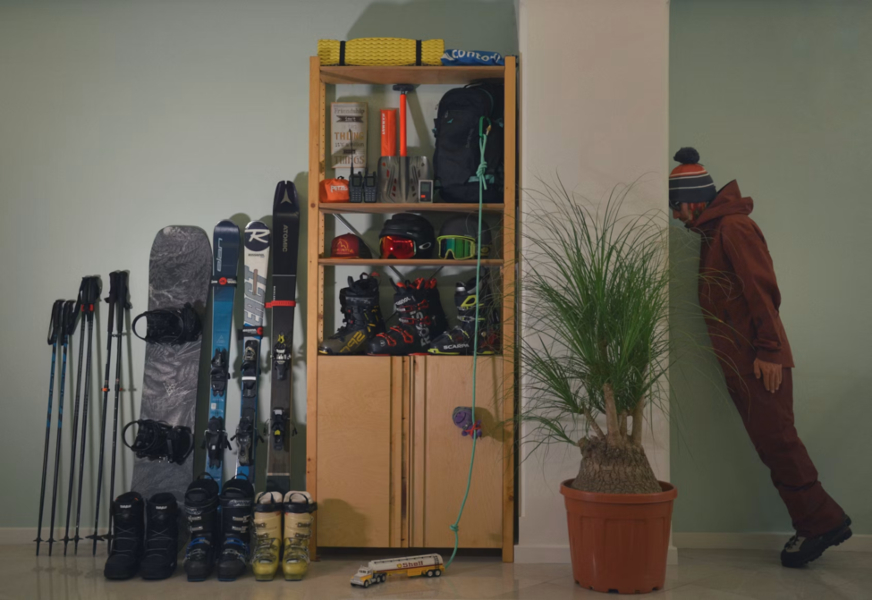
Living with less creates a peaceful home environment. Seasonal shifts often bring a wave of heavy coats, sports gear, and holiday decorations into your living space. Managing these items without cluttering your rooms requires a minimalist mindset.
Proper preparation keeps your home functional throughout the year. Taking control of your environment allows you to appreciate your space fully. A clean home provides a welcoming sanctuary after a long day.
Evaluating Your Spatial Limits
Every home has a maximum capacity for comfort. When items pile up, your mental clarity often drops. Taking an honest look at your crowded closets reveals how much gear actually fits your lifestyle.
Finding extra space in a small home requires a clear strategy. Evaluating your spatial limits helps you decide whether you need Charlestown storage units or something more local to keep your extra belongings safe. This choice keeps your daily living environment completely clear of unnecessary items.
Many people prefer keeping off-season gear outside the house. Removing bulky winter sports equipment or large summer umbrellas makes daily cleaning much easier. Clear floors contribute to a more relaxed household.
Applying the Three-Box System
Sorting through gear requires a strict sorting process. A guide from a charity organization suggests using a specific three-box method to categorize everything before making final decisions. You label containers for items to keep, items to donate, and items to discard.
This system prevents decision fatigue during your cleaning session. You can maintain strict rules for sorting, just as a writer avoids words listed in Banned Phrases.txt to maintain clarity. Keeping only what serves a purpose streamlines your inventory.
Items marked for donation should leave the house immediately. Holding onto large bags of old clothes creates temporary clutter that stalls your progress. Quick action seals your commitment to a minimalist lifestyle.
Organizing With Clear Containers
Once you select your seasonal gear, proper containment becomes the next step. An article by a regional community group notes that labeling bins keeps seasonal clothing, accessories, and shoes organized. Clear plastic tubs allow you to view contents without opening them.
Uniform boxes stack neatly in closets or garage shelves. This uniform setup prevents wasted corner space. Using identical containers creates a visually clean storage area that perfectly matches minimalist aesthetics.
Humidity protection is another benefit of high-quality plastic bins. Safeguarding your gear against damp environments prevents mildew damage. Your items remain in perfect condition until the next season arrives.
Rotating Gear With The Seasons
Swapping items twice a year keeps your wardrobe fresh and relevant. A non-profit organization points out that storing off-season items reduces clutter and helps you rediscover what you already own.
As weather patterns shift, your active gear should match your daily needs. Heavy winter coats have no logical place in a summer closet. Moving these items out of sight simplifies your morning routine.
This rotation cycle applies to sports equipment as well. Skis and sleds can move to deep storage when tennis rackets and bicycles take center stage. Your active spaces stay dedicated strictly to current hobbies.
Categorizing Your Outdoor Equipment
Outdoor activities demand specialized tools that consume significant space. Grouping similar gear helps you track what you own. You can avoid buying duplicates when everything stays in its designated zone.
Structure your gear setup by separating items into logical groups. For a clear breakdown of professional layouts, studying documents like Article Examples.txt can offer inspiration. Divide your items into these 3 categories:
- Summer water sports gear like wetsuits and snorkels
- Winter mountain equipment including skis and heavy boots
- Spring camping tools such as tents and sleeping bags
Dedicating specific zones to these categories prevents mixed piles. You save time when preparing for weekend trips since you know exactly where each tool resides. Organization removes the friction from outdoor adventures.
Maintaining Minimalist Habits Annually
Minimalism is an ongoing commitment rather than a one-time project. Year-to-year adjustments prevent the accumulation of items you no longer use. Reviewing your storage boxes annually keeps clutter from creeping back. Regular maintenance guarantees long-term success.
If a piece of gear remained untouched for a full year, its necessity is doubtful. Selling or donating these items frees up physical space. Your storage footprint shrinks as your habits refine.
Purchasing new high-quality gear should follow a strict one-in, one-out rule. Upgrading your tent means parting with your older model.
Adopting a streamlined approach to seasonal storage transforms your home. Keeping your living areas free of off-season gear creates a calm atmosphere. You gain control over your environment by managing your possessions intentionally.
A minimalist home offers the freedom to focus on experiences instead of managing excess items. Embracing this lifestyle brings long-term peace and simplicity to your household.