
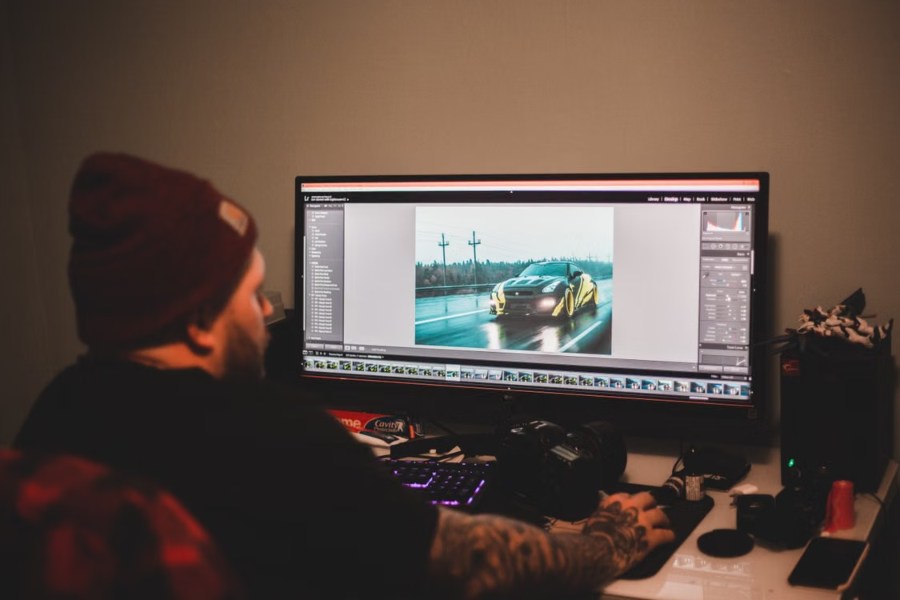
A website’s visual appearance often creates the first impression for visitors. High quality images, banners, illustrations and graphics not only make a website more attractive but also help communicate information more effectively. Whether it’s a personal blog, business website, online store, or portfolio, engaging visuals can improve user experience, strengthen brand identity and encourage visitors to explore more pages.
Creating professional website visuals, however, is not always easy. Many bloggers, small business owners and website managers have limited design experience or resources. Producing original graphics for blog posts, landing pages, promotional campaigns and social media often requires considerable time, specialised software, or professional design support.
This is where an AI Image Generator becomes a valuable addition to the modern website design workflow. By converting simple text prompts into original, custom visuals, it helps bloggers, marketers and businesses create engaging graphics for websites in far less time. Through Higgsfield, users can access AI powered image generation that simplifies the creative process, supports consistent branding, and makes it easier to produce professional quality visuals for every stage of a digital project.
Rather than replacing creativity, AI supports the design process by helping users generate ideas, explore different visual styles and speed up content production. Combined with thoughtful design decisions and a clear understanding of brand identity, AI powered image generation can help create websites that are both visually appealing and more engaging for visitors.
Why Website Visuals Matter
Visual elements play a central role in how visitors experience a website. Before reading the content, users often notice the layout, colours, images and overall design. Well designed visuals help create a positive first impression while making information easier to understand and navigate.
Images also contribute to stronger brand recognition. Consistent graphics, illustrations and banners help establish a professional identity across websites, blogs and social media platforms. When visitors recognise a consistent visual style, they are more likely to remember the brand and trust its content.
For bloggers and content creators, visuals help break up large sections of text and make articles easier to read. Featured images, infographics and custom illustrations can highlight important ideas while encouraging visitors to spend more time on a page. Attractive visuals are also more likely to be shared across social media, increasing the reach of published content.
Website visuals also support business goals. Product images influence purchasing decisions, landing page graphics guide visitors towards calls to action and promotional banners help communicate offers more effectively. When used strategically, visual content contributes to better engagement and a more professional online presence.
As competition continues to grow online, creating unique and high quality website visuals has become an important part of building a successful digital presence.
Common Challenges in Creating Website Visuals
Despite their importance, producing original website visuals presents several challenges for many businesses and content creators. One of the most common difficulties is the amount of time required to create custom graphics for different pages and marketing campaigns. Every blog post, product page, landing page and promotional banner often requires fresh visuals that match the overall design of the website.
Maintaining visual consistency can also be difficult, especially when multiple people contribute to website content. Differences in colours, illustration styles, fonts, or image quality can create an inconsistent user experience and weaken brand identity over time.
Budget is another common concern. Hiring professional designers or purchasing premium design assets for every project may not be practical for freelancers, startups, or small businesses. As websites continue to grow, the demand for new visual content increases, making it difficult to maintain quality while controlling costs.
Finding original images that accurately represent a topic can also be challenging. Stock photos may appear generic or be widely used across other websites, making it harder for businesses to create a distinctive online presence. Custom illustrations often require specialised design skills and additional production time.
Modern AI powered image generation is helping address many of these challenges. By using an AI Image Generator, website owners and content creators can quickly develop original visual concepts for blogs, landing pages, marketing campaigns and digital content. Instead of starting every design from scratch, they can explore multiple creative ideas, refine the most suitable options and build visuals that better reflect their brand identity.
How an AI Image Generator Simplifies Visual Content Creation
Creating visuals for a website often involves more than designing a single image. Blog posts, landing pages, service pages, product listings, newsletters and social media campaigns all require graphics that match the brand’s style and communicate information clearly. Producing these assets manually can become a repetitive and time consuming process, particularly for businesses that publish content regularly.
An AI Image Generator helps simplify this workflow by turning text prompts into original visual concepts within minutes. Instead of searching through large stock image libraries or starting every design from a blank canvas, users can generate custom visuals that better align with the purpose of their content. This allows website owners and content creators to spend more time improving their messaging while reducing the effort required to create supporting graphics.
The technology also makes creative exploration easier. Users can experiment with different colours, compositions, illustration styles and design ideas before selecting the version that best represents their brand. This flexibility supports faster decision making while encouraging more original visual content across websites and digital platforms.
Higgsfield further enhances this process through its AI Image Generator, giving bloggers, marketers, designers and businesses a practical way to create unique website visuals from simple prompts. Rather than replacing creative thinking, it provides a starting point that can be refined and customised to meet specific design goals.
Key Benefits of Using an AI Image Generator for Websites
AI powered image generation offers several practical advantages for anyone responsible for creating and maintaining website content. Whether managing a business website or publishing regular blog articles, these tools help improve both efficiency and creative flexibility.
Speeds Up Content Creation
Designing custom visuals for every page can take considerable time. An AI Image Generator allows users to create original concepts quickly, helping reduce production time and keep publishing schedules on track.
Supports Consistent Branding
Maintaining a consistent visual identity is important for building trust with visitors. AI generated images can be customised to match a website’s colours, themes and overall design style, creating a more professional appearance across different pages.
Encourages Creative Exploration
Instead of committing to the first idea, users can generate multiple visual concepts and compare different styles before choosing the most suitable option. This makes it easier to develop unique website graphics while supporting better creative decisions.
Reduces Dependence on Generic Stock Images
Many websites rely on stock photos that appear on countless other platforms. Creating original visuals helps businesses develop a more distinctive online presence while making website content feel more authentic and engaging.
Supports Different Types of Website Content
An AI Image Generator can assist with creating visuals for blog posts, landing pages, promotional banners, service pages, email campaigns and social media content. This flexibility allows businesses to maintain a consistent design approach across multiple digital channels.
Practical Ways to Use an AI Image Generator
Website visuals serve many purposes beyond decoration. They help explain information, attract attention and guide visitors through the user journey. An AI Image Generator can support a wide range of creative tasks across different types of websites.
Create Blog Featured Images
Featured images are often the first visual visitors see when browsing articles. Creating custom graphics helps blog posts stand out while reinforcing the topic and encouraging readers to click.
Design Website Banners
Homepage banners and promotional sections are important for highlighting services, announcements, or special offers. AI generated visuals can provide fresh banner concepts that align with the website’s branding and marketing goals.
Develop Landing Page Graphics
Landing pages rely on engaging visuals to support calls to action and explain products or services. Custom illustrations and creative imagery can help improve the overall presentation while making the page more appealing to visitors.
Support Social Media Promotion
Website content is frequently shared across social media platforms. AI generated visuals can be adapted into promotional graphics that maintain consistent branding while attracting attention on different channels.
Create Marketing Materials
Businesses often require graphics for email newsletters, advertisements, presentations and promotional campaigns. Instead of creating separate assets from scratch, AI generated concepts can provide a strong foundation that can be refined for different marketing needs.
By combining creative ideas with AI powered image generation, website owners can produce professional quality visuals more efficiently. AI Image Generator make it easier to generate original concepts that support blogs, business websites, online stores and digital marketing campaigns while leaving complete creative control in the hands of the user.
Best Practices for Using AI Generated Website Images
AI powered image generation can significantly improve the way websites are designed, but achieving professional results still requires thoughtful planning. Instead of relying entirely on automatically generated visuals, website owners should use AI as a creative tool that supports their design process while ensuring every image reflects the website’s purpose and brand identity. Platforms such as Higgsfield make AI assisted creativity more accessible, while an AI Image Generator helps users quickly develop original visual concepts that can later be refined to match their website’s goals.
Consistency is one of the most crucial practices. Use the same colour palette, visual style and overall design language throughout the website. Using consistent imagery reinforces the brand and enhances the professional look of the visitor to the site.
When creating prompts for generating images, it’s also important to write them clearly. When trying to find results for a particular product, search with specific information regarding the style, colors, purpose and topic of what you’re looking for. Checking the image and making edits before it is published can ensure that it conveys the proper message, for the intended audience and design direction of the website, even after the image has been created.
The owners of the website should also optimize pictures for speed. Squeeze files, use the right size and choose updated image formats to boost page load times without losing visual quality. From using Higgsfield to experiment with creative workflows to leveraging an AI Image Generator for more personalized visuals, pairing AI generated imagery with sound web design practices guarantees visuals improve the user experience and website performance.
How Higgsfield Supports Creative Website Design
As websites continue to rely on visual storytelling, creators need tools that simplify content production without limiting creativity. Higgsfield provides AI powered creative capabilities that support bloggers, marketers, designers and businesses in producing original website visuals more efficiently.
It has an AI Image Generator that allows users to generate unique images from text, which can be used for blog featured images, landing pages, promotion banners, product showcase images and marketing materials. Users can no longer rely on stock images, as they can now produce images to suit their brand, content and creativity.
The platform eliminates repetitive design tasks to enable designers to focus more on enhancing website content, user experience and website design strategy. For website creation, AI can help generate images that align with the content’s theme and message, offering a valuable resource for businesses looking to produce eye catching visuals without compromising on the creative vision, AI can generate images that fit the website’s theme and message, which is particularly helpful for businesses seeking to create visuals that are engaging without sacrificing the creative vision.
Common Mistakes to Avoid When Using AI Generated Images
While AI generated visuals have numerous benefits, they must be used judiciously. A frequent problem is posting pictures that have not been carefully looked over. Occasionally, AI generated content can be inaccurate or have inconsistencies with images that need to be fact checked before posting to a website.
The other is using images that are not matching with the overall design of the site. A variety of artistic styles, colour schemes, or layouts can result in a lack of uniformity, which can diminish brand identity. A consistent visual style aids visitors to identify and trust the website.
There are also some website owners who overlook user experience to heavily depend on AI generated visuals. The images should never detract from or distract from the content. The use of images that support the content, enhance readability and lead the viewer through the page enhances the browsing experience.
Finally, website owners should keep working on their images to improve their SEO, using descriptive filenames, appropriate image sizes and the correct alt text. There are simple steps that can be taken to improve accessibility and provide good search engine visibility.
The Future of AI in Website Design
As creative technology continues to advance, AI is becoming a key component in website design. The future of AI generated images promises further customisation options, more accurate visuals and better integration with website builder platforms, helping creators easily create professional images.
As the technologies develop, Higgsfield’s AI capabilities keep enhancing creative solutions to make visual content creation easier for modern websites. With the AI Image Generator, creators can easily generate fresh ideas for blogs, landing pages, marketing campaigns and digital branding, giving them full control of the end product.
AI is not taking over content creation or design, but it is becoming a helpful creative companion to facilitate quicker workflows, explore new possibilities and create more engaging online experiences for businesses. This blend of human creativity and AI assistance will probably drive the future of website design.
Conclusion
Creating strong website visuals is no longer limited to businesses with large design teams or expensive creative resources. An AI Image Generator helps bloggers, website owners, marketers and businesses produce original graphics more efficiently while supporting a consistent and professional online presence.
AI Image Generator makes it easier to develop custom visuals for websites, blogs, landing pages and marketing campaigns without sacrificing creativity. When combined with thoughtful design, consistent branding and user focused content, AI powered image generation becomes a valuable tool for creating websites that are visually engaging, informative and memorable.