
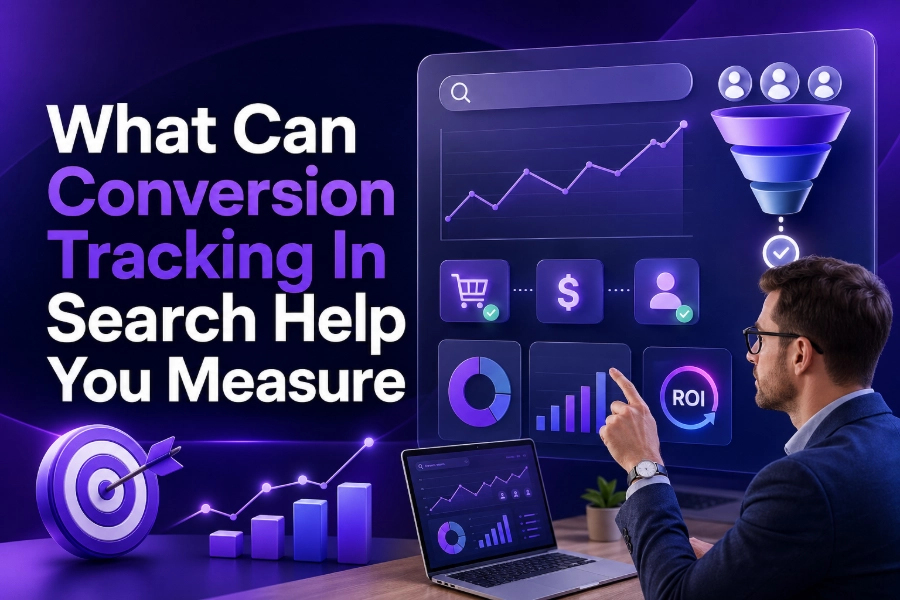
Conversion tracking in search is a vital tool for digital marketers, enabling them to measure the effectiveness of their campaigns and understand user behavior. By utilizing conversion tracking, businesses can gain valuable insights into how their search engine marketing efforts are performing. This helps optimize their strategies, improve their return on investment (ROI), and make data-driven decisions that yield better results.
Through this process, you can track key performance indicators (KPIs) such as website visits, form submissions, product purchases, and more. Conversion tracking enables marketers to determine which ads are driving actual business results, such as leads or sales, helping them focus on the most effective tactics.
How Conversion Tracking Works
Conversion tracking relies on a set of tools and technologies, such as Google Analytics and various tracking pixels, to monitor and record user actions. By embedding a small piece of code on a website or within an ad, businesses can track actions taken by users after clicking on an ad. These actions may include completing a form, making a purchase, or even just visiting a page for a set amount of time.
If you’re looking to maximize your digital marketing efforts, platforms offering premium wordpress themes, PSD & HTML templates can help you gain access to resources to help enhance your website’s performance. This can directly contribute to better conversion tracking outcomes.
With conversion tracking, businesses can assess the impact of individual campaigns and determine the value of each conversion. For example, if a specific keyword or ad copy drives more sales than another, businesses can allocate resources accordingly. Conversion tracking helps in optimizing bidding strategies, improving ad copy, and enhancing user experience.
What Metrics Can You Measure with Conversion Tracking?
There are several metrics that you can track with conversion tracking, and they vary depending on your business goals. These include:
- Lead Generation: Track how many users fill out forms or subscribe to newsletters.
- Sales: Track product purchases or service sign-ups.
- Phone Calls: Measure how many users are calling your business after clicking an ad.
- App Downloads: For businesses with mobile apps, conversion tracking can track downloads and installs.
- Engagement Metrics: These could include video views, social shares, or any other action deemed valuable for your business.
To dive deeper into improving your website’s functionality and achieving higher performance, it’s crucial to understand how to duplicate a page in WordPress. This can streamline your process of optimizing different aspects of your site and improving the user experience.
Conversion tracking offers an array of benefits, from accurately measuring ROI to better understanding user behavior. By tracking the right metrics, businesses can enhance the effectiveness of their campaigns and fine-tune their marketing strategies to target the most valuable audience.
The Importance of Conversion Tracking in Digital Marketing
Without conversion tracking, digital marketers are left to guess which campaigns and strategies are driving actual results. This often leads to wasted resources and missed opportunities. Conversion tracking removes the guesswork, providing real-time data that businesses can act upon immediately.
When businesses track conversions, they can make data-driven decisions about their marketing spend. They can see which campaigns are generating the best return and allocate more budget to those that deliver results. Additionally, conversion tracking helps businesses optimize their website for user experience, ensuring that users are guided through the conversion funnel as seamlessly as possible. Implementing a custom UI design further assists in this process by removing visual clutter and highlighting key call to action elements that drive specific visitor behaviors.
If you are managing a WordPress website, knowing how to edit the header in WordPress can significantly enhance the navigation and structure of your website. A well-organized website leads to better user engagement, which can, in turn, improve conversion tracking results.
Optimizing Campaigns with Conversion Data
Conversion tracking helps businesses identify patterns and trends that indicate successful campaigns. By continuously analyzing conversion data, businesses can optimize their marketing campaigns to better meet the needs of their audience. This could involve tweaking ad copy, testing different landing pages, or adjusting targeting options to reach more qualified leads.
Data from conversion tracking can also reveal which keywords are driving high-quality leads and which are underperforming. This allows marketers to refine their keyword strategy and focus on the keywords that are delivering the most value to their business.
By integrating insights gained from conversion tracking, businesses can improve their decision-making and allocate marketing resources to the most profitable channels.
Enhancing ROI Through Conversion Tracking
Ultimately, the goal of any marketing campaign is to generate a positive return on investment. Conversion tracking plays a pivotal role in achieving this by helping businesses optimize their strategies and reduce wasted ad spend. With the insights provided by conversion tracking, businesses can ensure that their marketing dollars are being spent wisely.
Furthermore, conversion tracking helps businesses understand how different audience segments behave, enabling them to tailor their ads to specific groups. This personalized approach increases the chances of a successful conversion, driving up the overall ROI of the campaign.
In conclusion, the more accurate your conversion tracking is, the better your chances of achieving long-term marketing success. Whether it’s improving user experience, refining your ad targeting, or optimizing your website, the insights provided by conversion tracking will guide you every step of the way. With a solid understanding of how long it takes to build a website, businesses can ensure their sites are optimized for conversions, leading to higher success rates.
Conclusion
In summary, conversion tracking in search is an essential tool for measuring and optimizing your digital marketing efforts. It provides key insights into user behavior, campaign effectiveness, and ROI. By accurately measuring conversions, businesses can make data-driven decisions that improve their marketing strategies and lead to greater success. Whether you’re looking to track form submissions, sales, or other valuable actions, conversion tracking ensures that you’re spending your marketing budget effectively and efficiently.
FAQs
What is conversion tracking in search?
Conversion tracking in search helps you measure user actions after interacting with your ads. By tracking these actions, such as purchases or form submissions, you can evaluate campaign performance and make data-driven decisions to optimize your marketing strategies.
Why is conversion tracking important for digital marketing?
Conversion tracking is essential for measuring the effectiveness of your campaigns. It allows businesses to see which ads, keywords, and strategies are driving actual results, helping them optimize their marketing efforts and maximize return on investment (ROI).
How does conversion tracking work?
Conversion tracking works by using tracking codes like pixels or tags that are added to your website. These tools track specific actions, such as completing a purchase or filling out a form, and attribute them to the relevant ad or campaign.
What metrics can be tracked with conversion tracking?
Common metrics tracked by conversion tracking include sales, form submissions, app downloads, phone calls, and engagement actions like video views or social shares. These metrics provide valuable insights into how well your campaigns are performing.
How can conversion tracking improve ROI?
By measuring which ads or campaigns drive the most valuable conversions, businesses can allocate resources more effectively. Conversion tracking enables marketers to optimize their campaigns, reduce ad spend waste, and ultimately increase return on investment (ROI).
What tools can I use for conversion tracking?
Popular tools for conversion tracking include Google Analytics, Facebook Pixel, and Google Ads conversion tracking. These tools provide insights into user behavior and help businesses optimize their campaigns for better results.
Can conversion tracking help with retargeting?
Yes, conversion tracking is essential for retargeting campaigns. By tracking user behavior, businesses can retarget users who have previously interacted with their ads but haven’t converted, helping to increase the chances of conversion in the future.
What is a conversion funnel?
A conversion funnel is a series of steps that a user takes from their first interaction with an ad to completing a desired action, such as making a purchase. Conversion tracking helps optimize each stage of this funnel for better results.
How do I set up conversion tracking in Google Ads?
To set up conversion tracking in Google Ads, create a new conversion action, add the tracking code to your website, and ensure it’s placed on the appropriate pages (e.g., thank you or confirmation pages). Then, monitor the performance in Google Ads.
How do I analyze conversion data effectively?
To analyze conversion data effectively, monitor key metrics like cost per conversion, conversion rate, and return on ad spend (ROAS). By evaluating these metrics, businesses can identify areas for improvement and adjust their campaigns for better performance.